

The growing focus on beauty and health has heightened the perceived health benefits of grains.
This time, we’ll highlight the health advantages of grains, focusing specifically on their beauty-enhancing components.
Are there any beauty components you’re particularly interested in?

●Barley
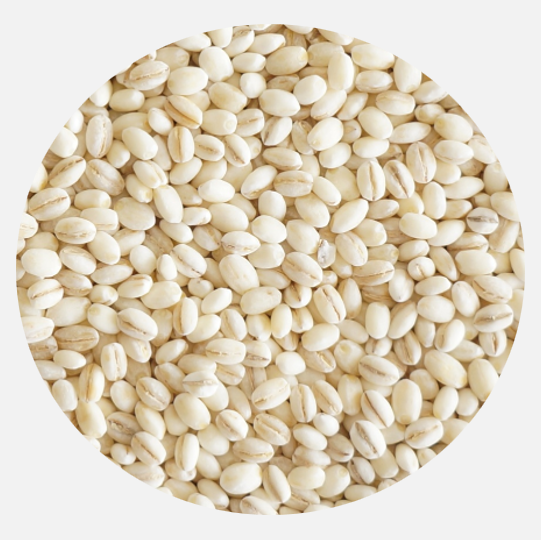
Barley contains 12.2g *1 of dietary fiber per 100g of edible portion. This is approximately five times that of wheat flour and about 24 times that of white rice. Furthermore, it contains a balanced amount of both soluble and insoluble dietary fiber.
Soluble dietary fiber helps lower blood cholesterol levels and slows the absorption of carbohydrates.
In contrast, insoluble dietary fiber absorbs water and expands, aiding in the prevention and relief of constipation.
●Black Rice
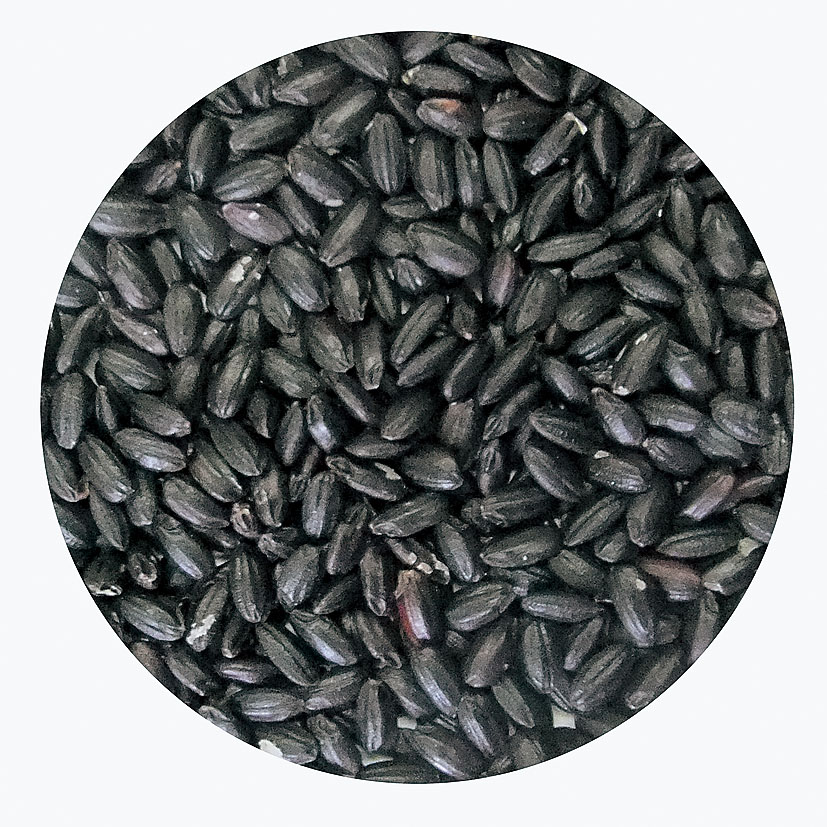
Black rice is a beauty food said to have been favored by Yang Guifei. Its surface is black, and the brown rice seed coat contains purple-black pigments (anthocyanins).
Anthocyanins are a type of polyphenol with strong antioxidant properties. This helps prevent arteriosclerosis and lifestyle-related diseases. It also has many other effects, such as reducing eye fatigue and improving blood flow.
●Red Rice
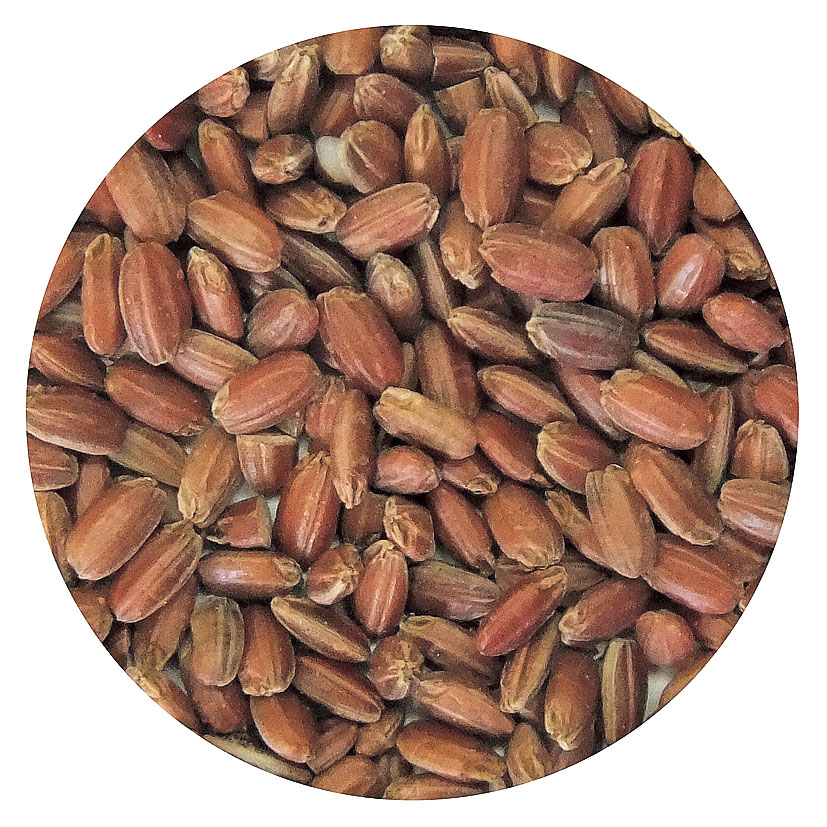
Red rice contains catechins and tannins, compounds famous in tea and wine.
Catechins promote fat burning and help suppress increases in cholesterol and blood sugar levels. However, excessive intake has been linked to potential liver dysfunction, so it’s recommended to obtain them from food rather than supplements.
Tannins bind with proteins to improve intestinal health, tighten skin, and support muscle formation.
●Glutinous Proso millet
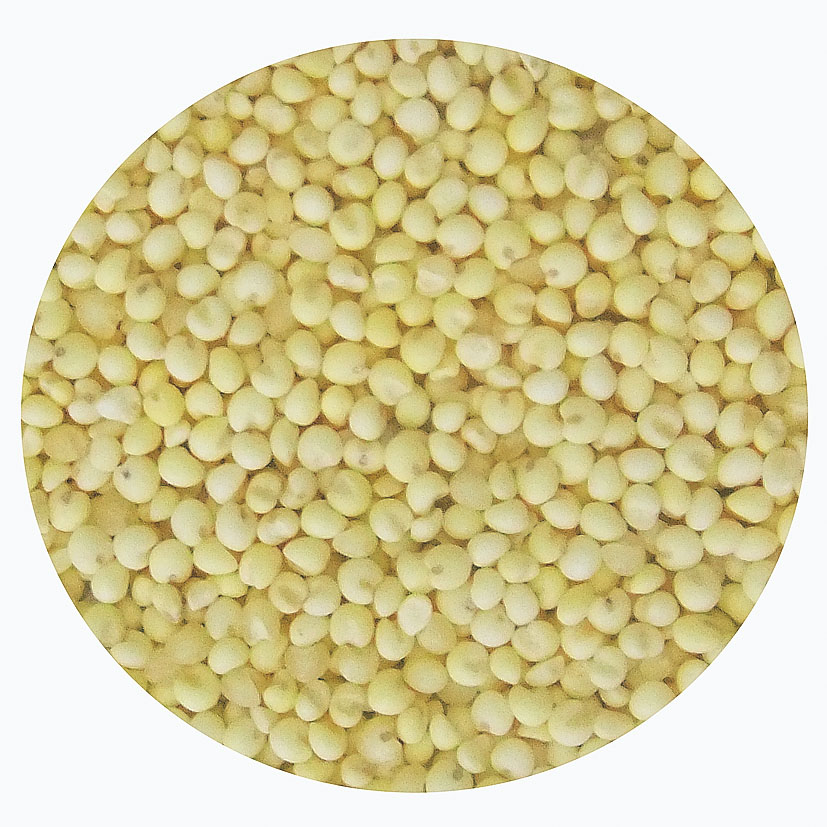
Glutinous proso millet contains methionine, an essential amino acid often lacking in grains and legumes. This amino acid is also utilized in traditional Chinese medicine.
Essential amino acids must be obtained through diet. Methionine serves as a building block for the protein keratin, aiding in maintaining healthy hair and skin.
●Glutinous Foxtail millet
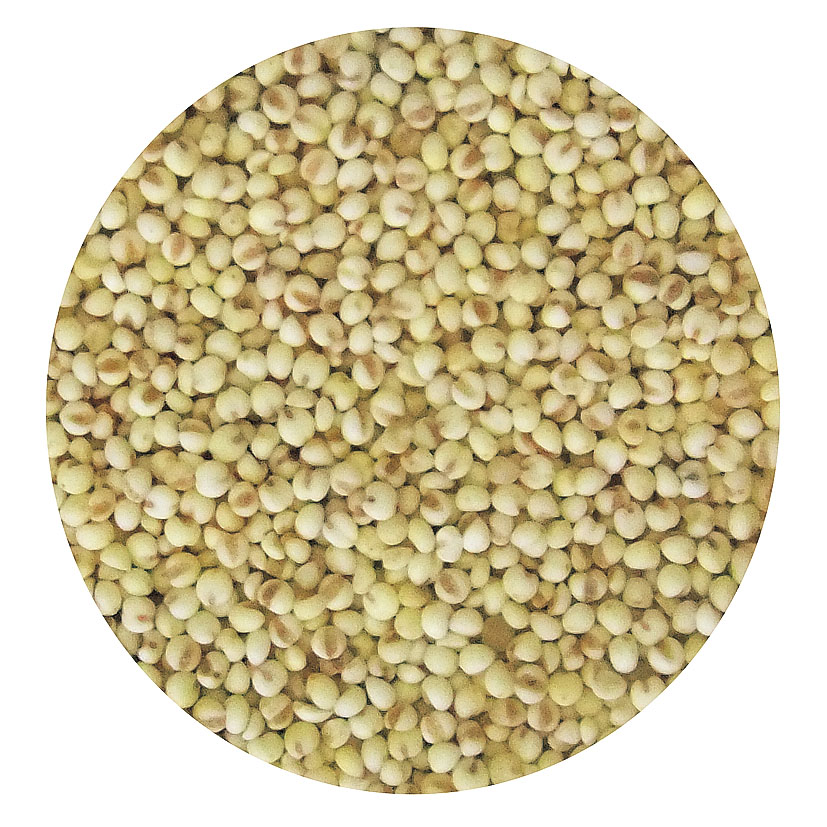
Glutinous foxtail millet contains more vitamin B1, dietary fiber, iron, and magnesium than white rice.
It is an easily digestible food, making it ideal for baby food.
Vitamin B1 aids in carbohydrate metabolism, promotes fatigue recovery, and helps maintain healthy skin and mucous membranes.
Iron helps produce red blood cells that transport oxygen throughout the body. It also contributes to collagen production, improving skin hydration, reducing dark spots and dullness, and promoting a healthy complexion.
Magnesium possesses high moisturizing properties and helps prevent skin dryness and inflammation.
●Sorghum Bicolor
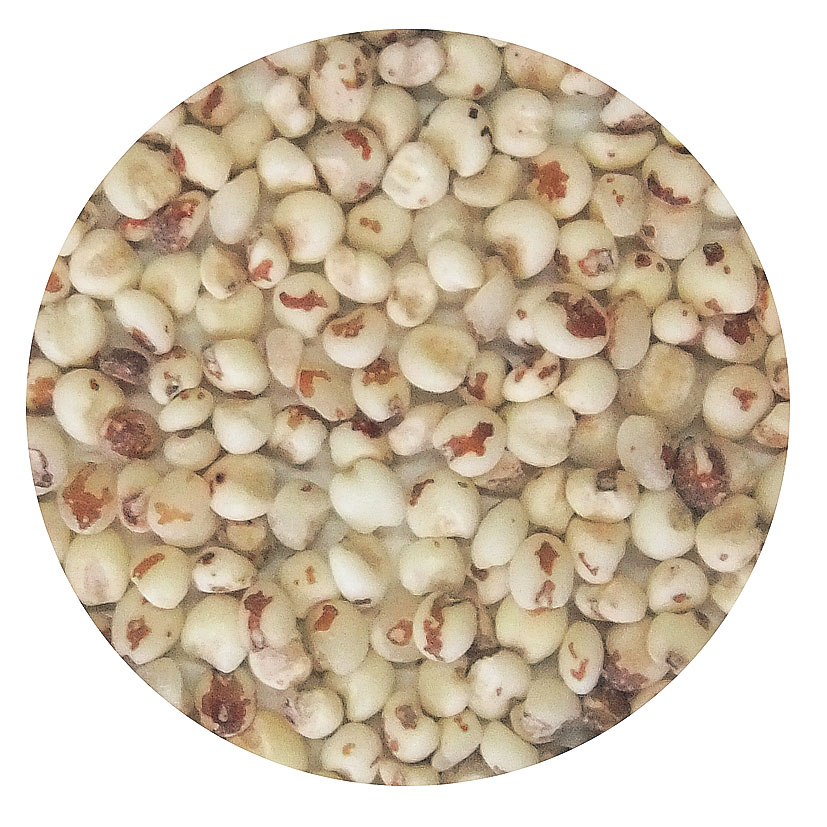
Sorghum bicolor, which is sometimes used as a meat substitute, contains potassium, iron, and polyphenols.
Potassium is an essential mineral that helps prevent swelling by expelling excess sodium from the body.
●Barnyard millet
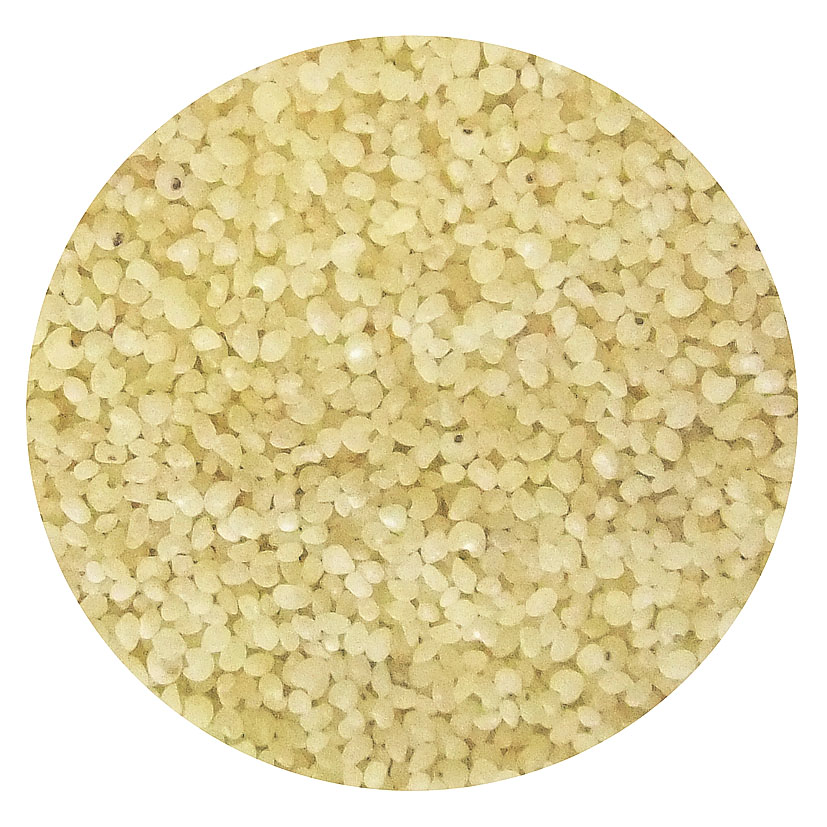
Barnyard millet contains about nine times *2 more dietary fiber than white rice. It also contains about 2.3 times more pantothenic acid than white rice and about 2.8 times more than wheat flour.
Pantothenic acid is a type of water-soluble vitamin that helps break down carbohydrates and lipids and increases good cholesterol.
●Amaranthus
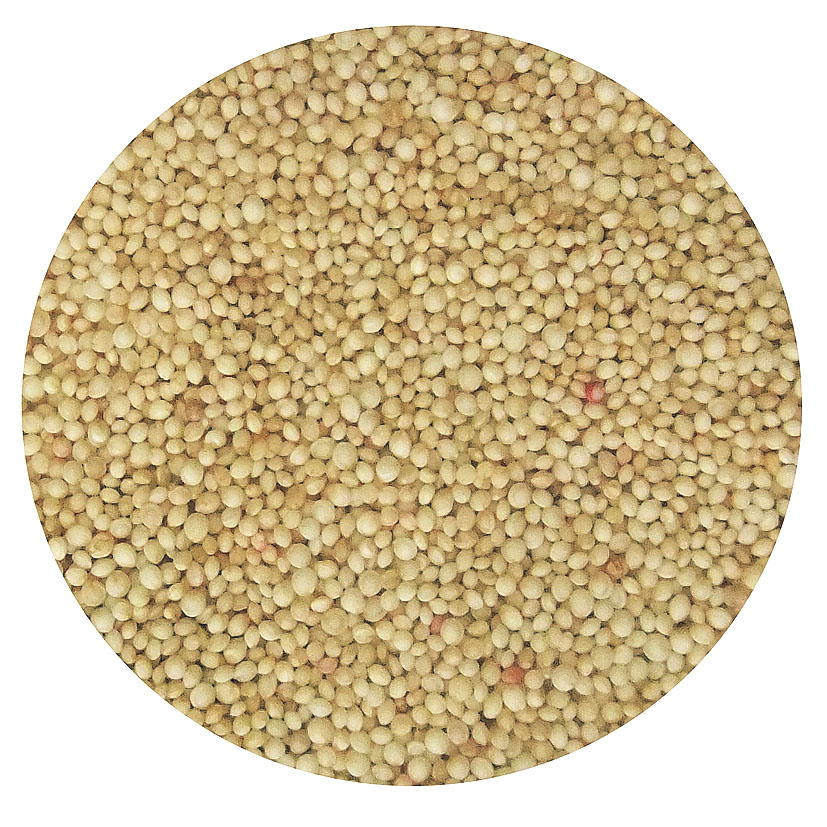
Amaranthus contains an astonishing amount of calcium for such a small grain. It provides 160mg *3 per 100g of edible portion—about 8 times more than wheat flour and 32 times more than white rice.
While calcium is famously effective for bone and tooth formation, it also promotes beautiful hair and nails, accelerates skin turnover, and helps maintain healthy skin.
●Quinoa
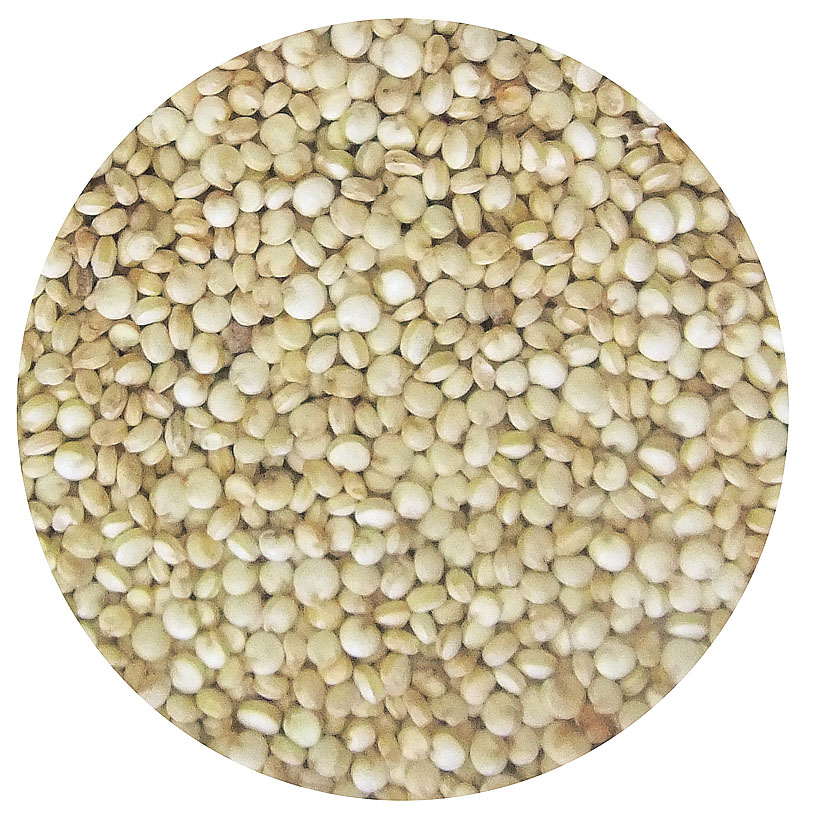
Quinoa contains a balanced array of essential amino acids and is recognized worldwide as a “superfood.”
Since essential amino acids cannot be synthesized by the body, it is necessary to actively obtain them from food sources.
●Adlay
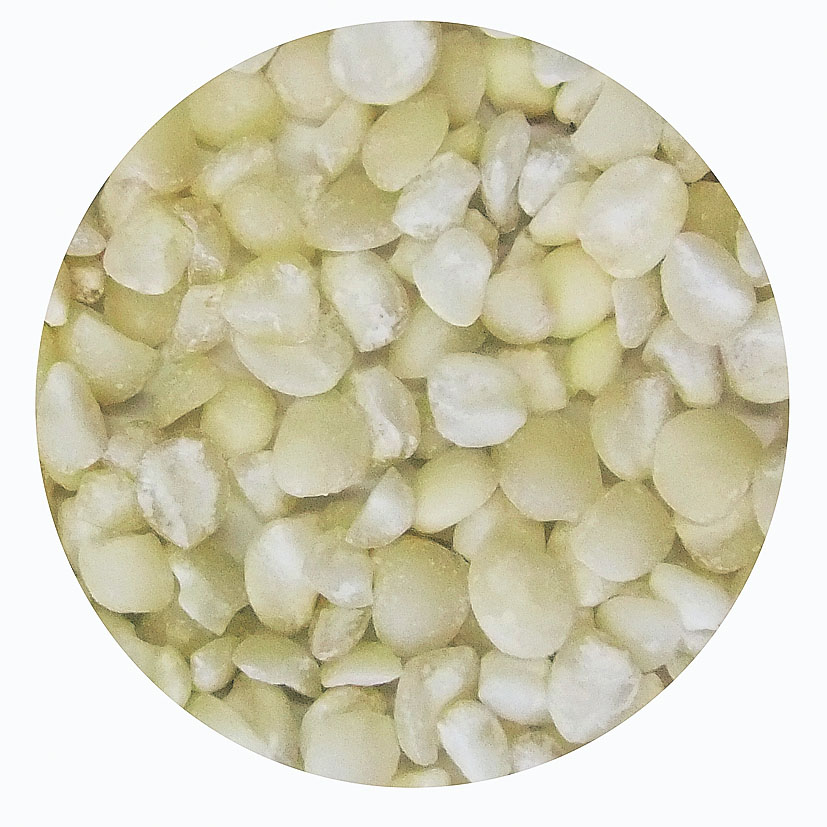
Adlay, also used in cosmetics, contain high-quality proteins rich in amino acids (glutamic acid, proline, leucine).
It helps moisturize the skin and promote skin cell turnover.
Nowadays, we can easily get essential nutrients through supplements. However, we can also obtain beauty-boosting nutrients from foods that are indispensable to us.
Why not actively incorporate grains into your diet and aim for “BEAUTY” from within?
*1~*3 Quoted from the “Japanese Standard Ingredient Labeling 2020 Edition (Eighth Revision)”